
Cats are curious little explorers, always on the hunt for their next adventure—even if it means nibbling on a houseplant or two. But before you let Fluffy turn your living room into a botanical buffet, it’s crucial to know which plants are safe for her to munch on. After all, nobody wants a feline drama unfolding over a toxic greenery incident!
Understanding Cat Toxicity
Cats often explore their environment by nibbling on plants, which raises concerns about which ones are safe. Awareness of toxic plants is crucial for a cat owner’s peace of mind.
Common Toxic Plants
Several houseplants may pose risks to cats. Lilies, including Easter and Tiger varieties, can cause severe kidney damage. Sago palms, common in warm climates, are highly toxic and can lead to liver failure. Other harmful plants include azaleas, oleanders, and philodendrons, which can cause various health issues ranging from vomiting to respiratory distress. Knowing these plants helps prevent accidental poisoning.
Signs of Plant Poisoning in Cats
Identifying signs of toxicity is vital for timely intervention. Common symptoms include vomiting, diarrhea, and excessive drooling. Cats may also exhibit lethargy or a lack of appetite. Neurological symptoms can manifest as tremors or seizures. Immediate veterinary care is essential if you suspect your cat has ingested a toxic plant, as early treatment can significantly improve outcomes.
Safe Plants for Cats
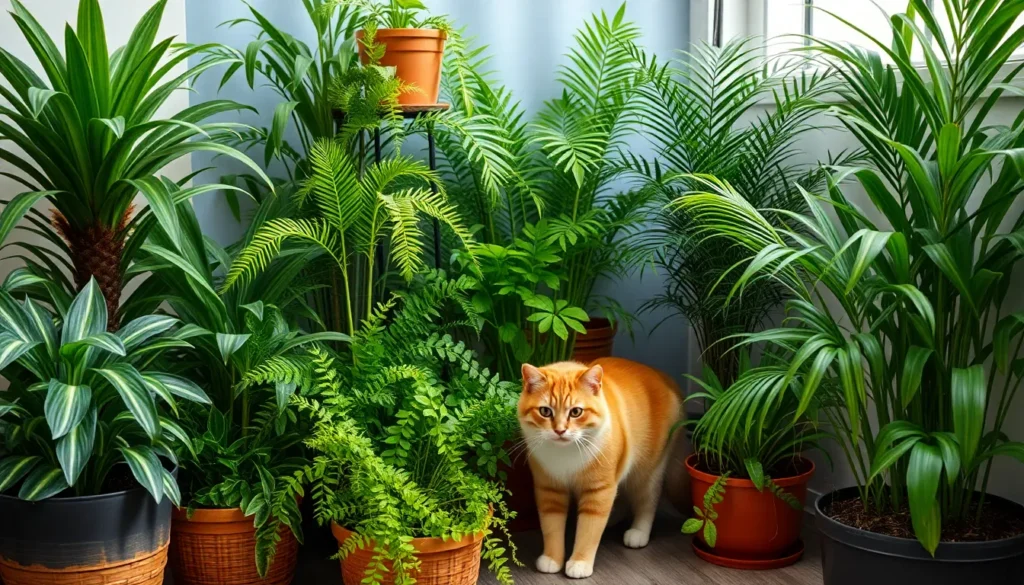
Selecting non-toxic plants ensures the safety of curious cats. The right choices create a healthy environment for both pets and plants.
Indoor Plants
Certain indoor plants stand out as safe for feline friends. Spider plants, with their arching leaves, serve as a great option. Boston ferns offer lush greenery that’s also safe. Additionally, bamboo palm thrives indoors while presenting no harm. Cat grass, like wheatgrass, promotes healthy digestion and provides a tasty treat. All these plants keep cats engaged without risk to their health.
Outdoor Plants
Numerous outdoor plants also pose no threat to cats. Marigolds feature vibrant colors and are safe to have around. Catnip, a favorite among felines, provides stimulation without toxicity. Rosemary offers culinary uses and is non-toxic for pets. Additionally, violets ensure safe enjoyment when cats explore gardens. Creating a cat-friendly outdoor space requires careful selection of plants, but several options exist that keep pets safe.
Benefits of Cat-Friendly Plants
Creating a cat-friendly environment involves the choice of appropriate plants. Selecting non-toxic options benefits both cats and their owners in several ways.
Improved Air Quality
Indoor plants actively purify the air, absorbing toxins and releasing oxygen. Common non-toxic plants, like spider plants and Boston ferns, increase humidity levels, which can reduce respiratory issues. These plants also filter common pollutants, making home environments healthier. Improved air quality enhances the well-being of both pets and their owners, leading to a more pleasant living space.
Enhanced Aesthetics
Cat-friendly plants add beauty to any home, creating a vibrant atmosphere. Lush greenery and colorful blooms serve as natural decor elements, elevating interior designs. Non-toxic options, such as peace lilies and catnip, provide visual interest while remaining safe for curious cats. Aesthetically pleasing environments contribute to a calming atmosphere, benefiting both the pets and their human companions.
Tips for Choosing the Right Plants
Choosing the right plants enhances a home and ensures a safe environment for cats. Prioritize research on plant safety by consulting reliable sources like the ASPCA or pet care websites to identify non-toxic species.
Research Before Purchasing
Before making any plant purchase, verify its safety for cats. Look for options labeled non-toxic or browse lists that detail safe plants. Many reputable nurseries and garden centers provide guidance on plant toxicity, making it easier to find suitable selections. Consider reading reviews or wayfinding guides shared by other pet owners regarding plant safety. Asking staff about specific plants can also provide insight into their safety for pets.
Consider Your Cat’s Behavior
Observe your cat’s specific behaviors around plants. Cats may show interest in plants by nibbling or scratching at them. When plant shopping, think about choosing varieties that minimize the temptation for cats. High-interest plants might require extra attention, so consider placements that keep them out of reach. Besides interest, some cats may have preferences for certain scents or textures; plants like catnip can be beneficial in this way. Knowing what draws your cat’s attention can direct you toward safer alternatives.
Creating a safe environment for cats involves careful selection of plants. By choosing non-toxic options cat owners can enjoy the beauty of greenery without worrying about their pets’ health. Safe plants not only enhance home aesthetics but also contribute to improved air quality and overall well-being.
It’s essential to stay informed about plant safety and monitor a cat’s interactions with indoor and outdoor greenery. With the right choices cat owners can cultivate a vibrant space that keeps their curious companions safe and happy. Prioritizing research and consulting reliable sources ensures that both plants and pets thrive together in harmony.


