
Guillain-Barré syndrome might sound like a fancy French dish, but it’s far from gourmet. This rare neurological condition can leave individuals feeling like they’ve just run a marathon—without ever leaving the couch. As the body’s immune system mistakenly attacks the nerves, supportive therapy becomes crucial in helping patients regain their strength and independence.
Think of supportive therapy as the ultimate pit crew for the human body. It’s all about providing the right tools and strategies to help individuals navigate their recovery journey. From physical therapy that feels like a dance party to emotional support that’s more uplifting than a cat video, these therapies play a vital role in turning the tide against this unwelcome intruder. Let’s dive into the world of supportive therapy and discover how it can transform lives, one step at a time.
Overview of Guillain–Barré Syndrome
Guillain–Barré syndrome represents a rare autoimmune disorder. In this condition, the body’s immune system mistakenly attacks peripheral nerves. Symptoms often begin with weakness and tingling in the legs, which can progress rapidly. Muscle paralysis may occur in severe cases, impacting mobility and self-care abilities.
The exact cause of Guillain–Barré syndrome remains unknown, but it frequently follows infections. About two-thirds of patients report a recent respiratory or gastrointestinal infection. Certain vaccines and surgeries can also trigger this syndrome. Research indicates that genetic factors play a role in susceptibility, though further studies are needed.
Diagnosis typically involves clinical evaluation and specific tests. Nerve conduction studies assess the speed and function of nerve signals. Lumbar puncture may reveal elevated protein levels in cerebrospinal fluid. Early diagnosis is essential for timely intervention and the best outcomes.
Patients often undergo supportive therapy to manage symptoms. Treatment may include intravenous immunoglobulin or plasmapheresis to reduce the immune response. Rehabilitation through physical and occupational therapy enables individuals to regain strength and function. Emotional and psychological support also contributes significantly to the recovery process.
Most individuals experience partial or complete recovery within weeks to months. Some may face lingering effects such as fatigue or weakness, though these often improve over time. Regular follow-ups with healthcare providers help monitor progress and address ongoing needs.
Importance of Supportive Therapy
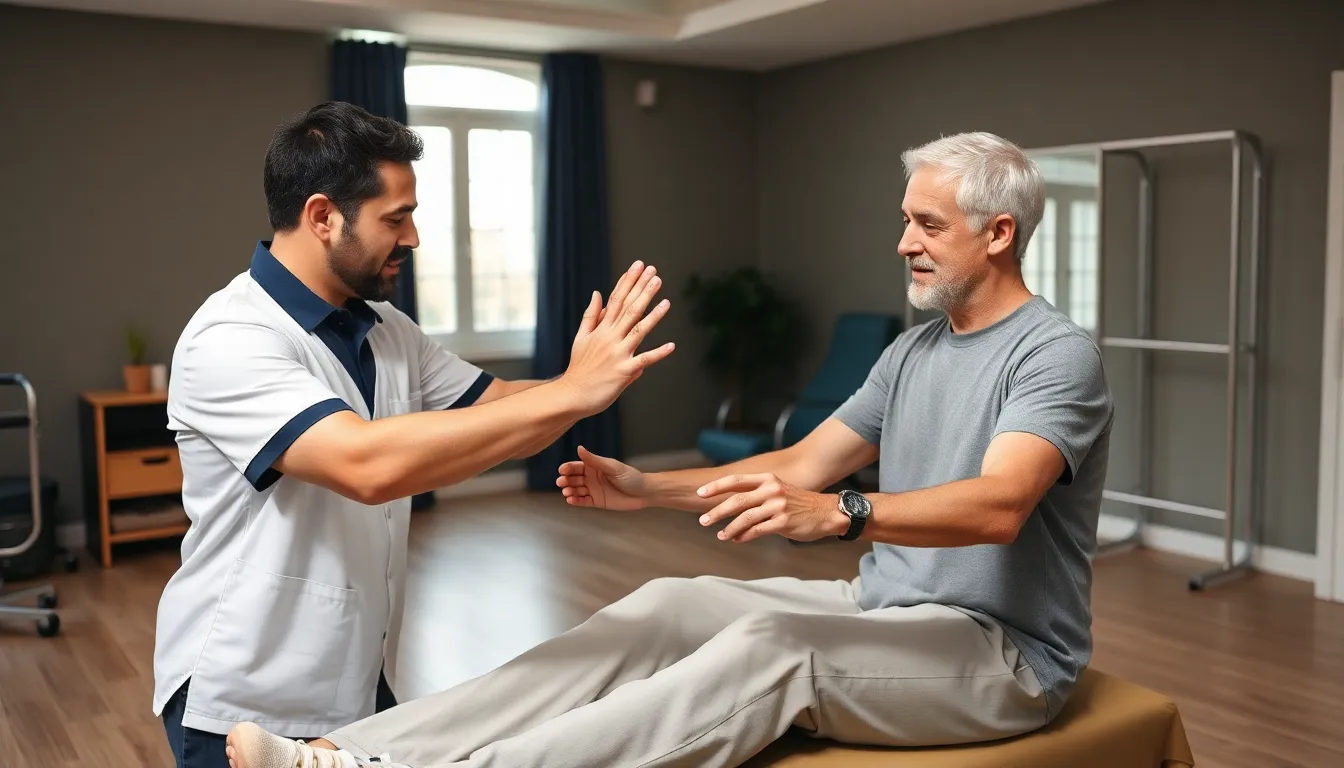
Supportive therapy plays a vital role in the recovery journey for individuals with Guillain-Barré syndrome. It focuses on alleviating symptoms and enhancing quality of life.
Goals of Supportive Therapy
Enhancing physical function stands as a primary goal of supportive therapy. Regaining strength might involve tailored exercises and specialized rehabilitation programs. Emotional well-being matters too; individuals can experience anxiety or depression during recovery. Addressing these mental health concerns often improves overall outcomes. Facilitating mobility not only aids independence but also empowers patients to participate in daily activities. Encouraging family involvement enriches the recovery process through emotional and practical support.
Types of Supportive Therapies
Physical therapy focuses on restoring movement and strength. Patients often engage in exercises that strengthen muscles and improve coordination. Occupational therapy assists individuals in adapting daily tasks, fostering independence in personal care and work. Speech therapy becomes essential for those experiencing communication difficulties. Emotional support therapy addresses psychological aspects, providing counseling to help cope with feelings of uncertainty and frustration. Nutritional support also contributes significantly, ensuring patients receive adequate nourishment to aid recovery. These diverse supportive therapies create a holistic approach, addressing multiple facets of the patient’s experience.
Key Supportive Approaches
Supportive approaches play a crucial role in the recovery from Guillain-Barré syndrome, enhancing overall well-being and independence.
Physical Therapy
Physical therapy focuses on restoring movement and building strength in affected muscles. Therapists tailor exercise programs to address individual needs and abilities. Exercises may include strength training, stretching, and gait training. Progressing at a comfortable pace helps prevent injury. Sessions often incorporate balance training, which promotes mobility and stability during daily activities. The overall goal remains to maximize functional independence, allowing patients to regain confidence in their movements.
Occupational Therapy
Occupational therapy emphasizes adapting daily tasks to enhance participation in everyday activities. Therapists assess patient living environments and recommend modifications, such as using assistive devices. Strategies may include adaptive techniques for cooking, grooming, and self-care. The approach promotes fine motor skills and cognitive strategies to improve task performance. Through personalized interventions, patients learn how to engage in meaningful activities despite physical limitations. The aim remains centered on improving quality of life and fostering independence.
Respiratory Support
Respiratory support addresses breathing difficulties that may arise in Guillain-Barré syndrome. Clinicians monitor lung function and provide interventions as needed. Techniques for enhancing airway clearance may include chest physiotherapy and incentive spirometry. Patients may also receive supplemental oxygen if they experience significant breathing challenges. Educating patients on effective breathing exercises forms an essential aspect of support. Prompt intervention helps prevent respiratory complications and promotes overall health during recovery.
Managing Symptoms and Complications
Supportive therapy plays a crucial role in managing symptoms and preventing complications for individuals with Guillain-Barré syndrome. It addresses various aspects of recovery, including pain management and nutritional support.
Pain Management
Pain relief is essential for enhancing quality of life in individuals with Guillain-Barré syndrome. Patients may experience neuropathic pain, which requires targeted interventions. Medications such as nonsteroidal anti-inflammatory drugs or anticonvulsants can help alleviate discomfort. Physical therapy techniques may also be employed to improve mobility and reduce pain levels. Complementary therapies such as acupuncture and massage may provide additional relief. Consistent assessment of pain levels allows healthcare providers to adjust treatment plans as needed, ensuring effective pain management over time.
Nutritional Support
Nutritional support is vital for individuals recovering from Guillain-Barré syndrome. Maintaining adequate nutrition helps strengthen the immune system and supports overall recovery. A balanced diet rich in vitamins, minerals, and protein is recommended. Individuals facing swallowing difficulties should consider modified diets or nutritional supplements. Working with a registered dietitian can ensure that dietary needs are met. Regular monitoring of weight and nutritional intake allows for timely adjustments, promoting optimal health during recovery.
Supportive therapy is essential for individuals navigating the challenges of Guillain-Barré syndrome. By focusing on physical rehabilitation emotional well-being and nutritional needs, these therapies create a comprehensive support system that enhances recovery. Tailored interventions not only promote strength and mobility but also address psychological aspects that can hinder progress.
As patients work towards regaining independence they benefit from a holistic approach that considers all facets of their experience. Continuous engagement with healthcare providers ensures that each individual’s unique needs are met throughout their recovery journey. With the right supportive therapies in place patients can look forward to improved quality of life and a brighter path toward recovery.


