
Nylon 3D printing is like the Swiss Army knife of the additive manufacturing world. It’s versatile, durable, and ready to tackle just about any challenge thrown its way. Whether you’re crafting intricate prototypes or whipping up functional parts, nylon’s got your back. Imagine a material that’s tough enough to withstand the rigors of daily life but light enough to defy gravity—sounds like a superhero, right?
Overview Of Nylon 3D Printing
Nylon 3D printing utilizes a range of nylon filaments, known for their durability and flexibility. This capability makes nylon ideal for producing intricate prototypes and functional parts. Many industries rely on nylon’s lightweight properties, enhancing the functionality of various applications.
Applications include engineering, automotive, and consumer goods sectors. Nylon-based components often exhibit improved impact resistance compared to alternatives. Its moisture-absorbing characteristics require careful handling during the printing process, influencing the final product’s performance.
Filament types vary, with Nylon 6 and Nylon 12 being the most common. Nylon 6 offers excellent tensile strength while Nylon 12 ensures better chemical resistance. Each type serves specific application needs.
Printing parameters play a crucial role in achieving optimal performance. Layer height, print speed, and nozzle temperature directly affect the quality and strength of the printed part. Adapting these settings based on the specific nylon type can lead to enhanced results.
Post-processing techniques, including annealing and surface treatments, improve finished parts. These methods help to increase strength and durability, making nylon prints suitable for end-use applications.
Nylon 3D printing holds significant potential in prototyping, offering rapid production of custom designs. Its versatility positions it as a leading material in the additive manufacturing landscape.
Advantages Of Nylon 3D Printing
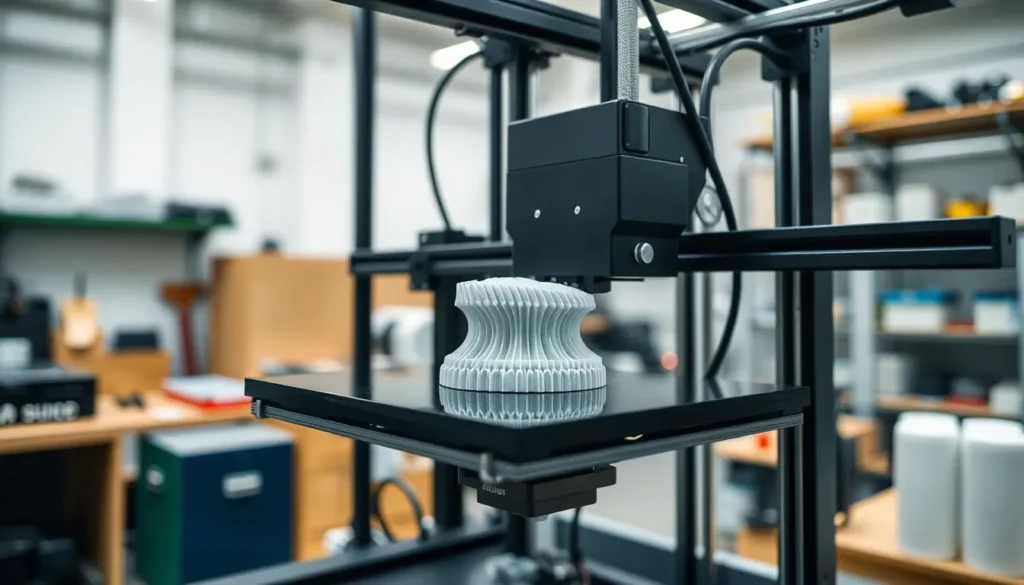
Nylon 3D printing offers various benefits, making it a preferred choice in the additive manufacturing industry. Its remarkable properties contribute to a range of applications across multiple sectors.
Strength And Durability
Nylon exhibits exceptional strength and durability, making it suitable for high-wear applications. It often outperforms other materials, resisting deformation under heavy loads. For instance, parts made from Nylon 6 can endure impact forces significantly better than those made from PLA or ABS. Enhanced tensile strength allows for the fabrication of robust components that maintain their integrity even in demanding environments. High-performance nylon, like Nylon 12, withstands exposure to moisture without losing structural stability, ensuring long-term reliability.
Flexibility And Impact Resistance
Flexibility defines nylon’s appeal in 3D printing, allowing it to absorb shocks and resist cracking. This material bends without breaking, which proves advantageous in dynamic applications like automotive parts. Components produced through nylon printing display impressive impact resistance, safeguarding against sudden forces. Its inherent elasticity allows for the design of intricate geometries that retain functionality under stress. Products leveraging nylon’s flexible nature can fulfill a variety of roles, from custom fixtures to functional prototypes.
Common Applications Of Nylon 3D Printing
Nylon 3D printing finds wide-ranging applications across various industries due to its unique properties. Both its strength and versatility make it a popular choice for producing durable parts.
Industrial Prototyping
Nylon’s robustness makes it ideal for industrial prototyping. Engineers often utilize it to create functional prototypes that mimic the performance of end-use products. Printed nylon parts can withstand stress and fatigue, allowing for extensive testing before production. Superior heat resistance helps maintain structural integrity during tests involving high-temperature environments. Rapid manufacturing capabilities mean companies can quickly iterate designs, reducing time to market. Advancements in nylon formulations improve print quality and dimensional accuracy, enhancing the reliability of prototypes.
Consumer Products
Industry professionals leverage nylon 3D printing for a variety of consumer products. It allows for the creation of lightweight and durable items, ideal for everyday use. Common applications include custom gear, phone cases, and even footwear components. The flexibility of nylon enables designs that incorporate both aesthetics and functionality. Products made from nylon exhibit resilience, making them suitable for high-impact usage. Various colors and finishes enhance the visual appeal, meeting diverse consumer preferences. Customization options empower consumers to choose unique designs that fit their needs.
Challenges In Nylon 3D Printing
Nylon 3D printing presents several challenges that can affect the quality of printed parts. Understanding these issues is crucial for achieving optimal results.
Warping And Shrinkage
Warping occurs during the cooling process, leading to dimensional inaccuracies. As nylon cools, it shrinks, which can cause parts to lift from the build plate. Maintaining a stable temperature helps mitigate this issue. Printing with an enclosed build chamber also contributes to better temperature control. Layer adhesion plays a vital role in minimizing warping and subsequent failures during prints. Employing specific print settings, such as increased bed adhesion solutions and optimal cooling rates, promotes more stable prints.
Moisture Sensitivity
Moisture sensitivity presents another significant challenge in nylon 3D printing. Nylon’s hygroscopic nature results in absorption of water from the air, which affects print quality. Filament exposure to humidity can lead to defects like bubbling and poor layer bonding. Storing nylon filaments in airtight containers or using desiccants improves their longevity. Drying filaments prior to use enhances the printing process, allowing for improved results. Implementing moisture control measures ensures better mechanical properties in finished parts.
Best Practices For Nylon 3D Printing
Nylon 3D printing requires specific techniques to ensure optimal results. Implementing best practices can greatly enhance the quality of printed components.
Temperature Settings
Maintaining appropriate temperature settings is crucial for nylon printing. The nozzle temperature typically ranges from 240°C to 260°C, ensuring proper melting and flow of the filament. A heated bed temperature of 70°C to 90°C prevents warping and improves adhesion. Experimenting with slight adjustments within these ranges can help achieve the best results, as each printer may behave differently. Monitoring temperatures during the printing process provides additional control over results, minimizing defects like stringing or oozing.
Print Environment
Creating an optimal print environment enhances the quality of nylon prints. An enclosed build chamber helps regulate temperature and reduces drafts that contribute to warping. Utilizing moisture control measures is also essential, as nylon absorbs humidity from the air. Storing filament in airtight containers significantly reduces moisture exposure. Furthermore, a controlled ambient temperature of approximately 25°C helps maintain consistent thermal conditions throughout the printing process. By prioritizing these environmental factors, users can achieve improved print reliability and dimensional accuracy.
Nylon 3D printing stands out as a powerful solution for various industries due to its unique combination of strength and flexibility. Its ability to produce durable components makes it an ideal choice for applications that require resilience under stress. While challenges like warping and moisture sensitivity exist, adopting best practices can significantly enhance print quality and performance.
As the additive manufacturing landscape continues to evolve, nylon’s versatility ensures it remains a preferred material for both prototyping and end-use products. Embracing the benefits of nylon 3D printing can lead to innovative designs and efficient production processes, paving the way for advancements in engineering and consumer goods.


