
As technology zips ahead at lightning speed, it’s easy to think gadgets are just for the young and tech-savvy. But hold on! Seniors are embracing these nifty devices like never before, proving that age is just a number when it comes to innovation. From smart home assistants that can fetch the remote to health trackers that keep tabs on heart rates, the right gadgets can make life easier and a whole lot more fun.
Popular Gadgets for Seniors
Seniors enjoy various gadgets that enhance daily living. Smart home devices and health monitoring gadgets play significant roles.
Smart Home Devices
Smart home devices simplify tasks around the house. Voice-activated assistants, such as Amazon Echo or Google Nest, allow seniors to control lights and appliances using voice commands. Smart locks improve home security, offering peace of mind. Additionally, video doorbells provide visual confirmation of visitors, enhancing safety. Easy-to-use smart thermostats help maintain comfortable temperatures with minimal effort.
Health Monitoring Gadgets
Health monitoring gadgets empower seniors to track their well-being. Fitness trackers like Fitbit or Apple Watch monitor heart rate, steps, and activity levels. Blood pressure monitors provide vital data for managing health conditions. Wearable emergency alert systems connect seniors with help in emergencies, offering reassurance. Medication management apps remind users to take medications on time, promoting adherence. These gadgets offer valuable support, helping seniors maintain independence.
Benefits of Gadgets for Seniors
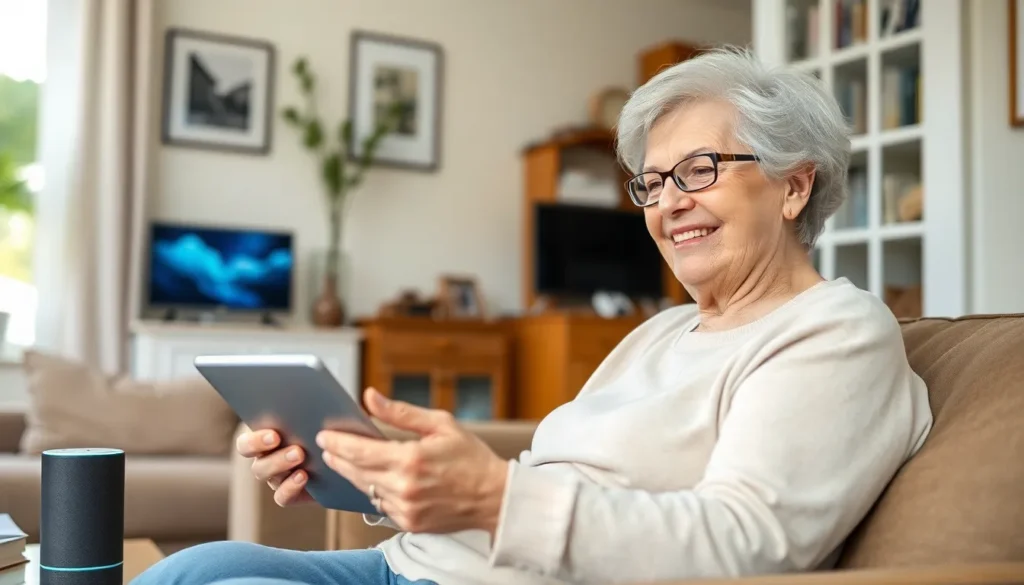
Gadgets provide numerous advantages for seniors, improving their everyday lives and enhancing their well-being. These benefits include increased independence and improved safety.
Enhancing Independence
Gadgets empower seniors to engage more actively in daily activities. Voice-activated assistants support hands-free control of smart home devices, allowing older adults to manage their environments effortlessly. Health tracking devices promote self-monitoring, enabling them to keep tabs on vital signs. Medication management apps help seniors organize their prescriptions and receive timely reminders. Such tools reduce reliance on caregivers, fostering autonomy while promoting a sense of accomplishment.
Improving Safety
Gadgets significantly enhance safety for seniors living independently. Smart doorbells and security cameras allow for remote monitoring, providing peace of mind by enabling them to see who is at the door. Wearable emergency alert systems ensure immediate assistance during emergencies, allowing quick communication with family or health services. Smoke and gas detectors connected to smartphones alert seniors to hazards in real time. These technologies work together to create a safer living environment, minimizing risks and promoting overall well-being.
Tips for Choosing Gadgets for Seniors
Selecting the right gadgets for seniors requires careful consideration of their specific needs and preferences. Focusing on user-friendly features can greatly enhance their experience.
User-Friendly Features
Prioritize ease of use when choosing devices for older adults. Look for gadgets with large buttons and simple interfaces to minimize confusion. Voice commands can simplify interactions with tech, enabling seniors to control devices easily. Visual aids, such as high-contrast screens and adjustable font sizes, enhance readability. Consider compatibility with existing devices, ensuring seamless integration within their environment. Battery life matters; choose products that require minimal charging or offer long-lasting power.
Considerations for Specific Needs
Understanding individual health conditions can guide gadget selection. For seniors with mobility challenges, tools like smart home assistants can control lights and appliances remotely. If visual impairments are present, consider devices with auditory feedback or larger displays. Health monitoring gadgets that track heart rate, fall detection, or medication schedules can provide valuable information to caregivers and medical professionals. Accessibility features, such as hands-free operation, may significantly benefit those with arthritis or limited dexterity. Taking these factors into account fosters independence and enhances quality of life.
Real-Life Experiences
Seniors are sharing their positive experiences with technology daily. A 72-year-old woman uses a smart home assistant to manage her grocery list and set reminders for medications, enabling her to maintain independence. Many seniors report feeling safer with video doorbells, allowing them to see visitors without opening the door.
Health trackers have also gained popularity among older adults. One senior detailed how her fitness tracker motivates her to stay active, tracking daily steps and providing valuable insights into her health journey. A recent study indicated that 53% of seniors using health gadgets experienced improved wellness management.
Another example involves a senior man who utilizes a wearable emergency alert system. He expressed confidence knowing help is just one button press away. Gadgets like this empower seniors to live independently while ensuring prompt assistance during emergencies.
Feedback from caregivers highlights the ease of use of devices designed for seniors. Many caregivers appreciate large buttons and simple interfaces on smart home devices, making it easier for their loved ones to adopt new technology. Prioritizing features like voice activation plays a critical role in encouraging seniors to engage with gadgets.
Moreover, a growing number of seniors are connecting with online communities to share tips on their favorite apps and tools. Engaging with technology in this manner fosters a sense of belonging while enhancing their day-to-day lives. Ultimately, these real-life experiences showcase how gadgets for seniors can significantly elevate their quality of living, promoting both safety and independence.
Embracing technology opens up a world of possibilities for seniors. With the right gadgets, they can enjoy greater independence and enhanced safety in their daily lives. From smart home devices that simplify tasks to health monitoring tools that track well-being, these innovations cater to the unique needs of older adults.
The positive impact of these gadgets is evident in the experiences shared by seniors who have found renewed confidence and connection through technology. By prioritizing user-friendly features and understanding individual needs, caregivers can help seniors navigate this digital landscape. Ultimately, integrating these tools into their lives can lead to improved quality of life and a more fulfilling experience as they age.


